
Pavement Maintenance in Palo Alto, CA
Preventive pavement maintenance for Palo Alto parking lots, HOA roads, driveways, private access roads, and commercial properties that need safer surfaces, cleaner curb appeal, and longer pavement life.
✓ Licensed & Insured
✓ 7+ Years Experience
✓ 500+ Projects Completed
✓ Free Estimates
Maintenance Protects Pavement Before It Becomes a Capital Expense
In Palo Alto, pavement failure rarely happens all at once. It usually starts with fading, small cracks, water intrusion, weak edges, worn markings, or neglected surface wear.
Pavement maintenance helps property owners act before damage becomes structural. The goal is simple: keep paved areas safer, cleaner, more functional, and less expensive to manage over time.
What Pavement Maintenance Can Include
Use this section to identify which maintenance actions may help protect your Palo Alto property before larger repairs are needed.
Sealcoating Planning
Protect aging asphalt from oxidation, UV exposure, water intrusion, and early surface wear.
Crack Filling and Repair
Address cracks and minor pavement openings before water reaches deeper pavement layers.
Parking Lot Maintenance
Support commercial lots with surface preservation, repairs, striping coordination, and safer access.
Striping Refresh Coordination
Improve visibility, parking organization, ADA markings, and traffic flow after maintenance work.
HOA and Private Road Care
Help communities plan pavement upkeep for shared roads, drive lanes, and common paved areas.
Maintenance Planning
Create a practical path for repair, protection, resurfacing timing, and long-term pavement budgeting.
Do You Need Maintenance, Repair, or Resurfacing?
Maintenance works best before pavement has failed. If the surface still has a stable base, preventive work can help extend useful life. If damage is already structural, repairs or resurfacing may need to come first.
The right recommendation depends on cracking, drainage, surface wear, traffic load, striping visibility, and how the paved area is used.
| What You Notice | Likely Maintenance Path |
|---|---|
| Faded or dry-looking asphalt | Sealcoating or surface protection may help |
| Small cracks starting to appear | Crack filling and preventive maintenance may be needed |
| Faded lines or confusing parking layout | Restriping may improve organization and visibility |
| Recurring potholes or widespread failure | Repair, resurfacing, or replacement may be needed first |
Projects
Real pavement maintenance projects completed across Palo Alto commercial properties, HOA communities, parking lots, and private paved areas.
These examples highlight how preventive maintenance, surface protection, crack repair, and pavement preservation can help extend pavement life, improve property appearance, and reduce long-term repair costs before major deterioration begins.
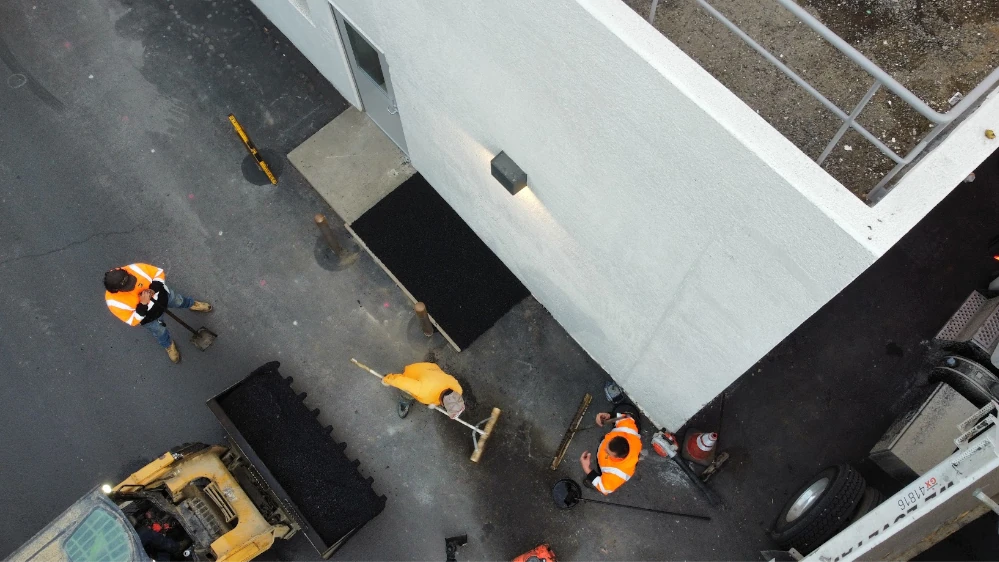
Active pavement maintenance work in progress, including asphalt surface restoration designed to improve safety, surface condition, and long-term pavement performance.
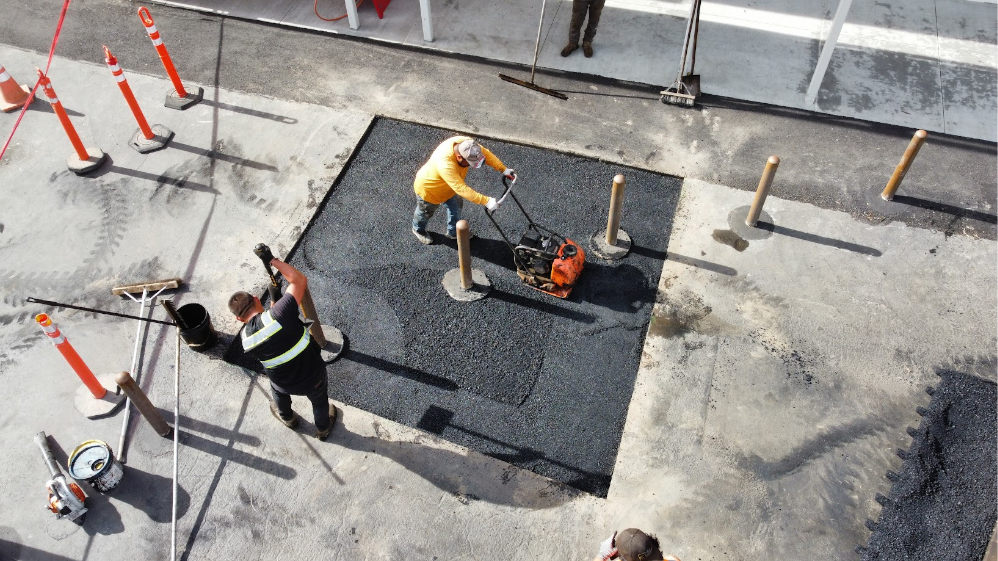
Targeted pavement maintenance and asphalt patching performed to address surface wear, improve durability, and help prevent larger pavement failures over time.
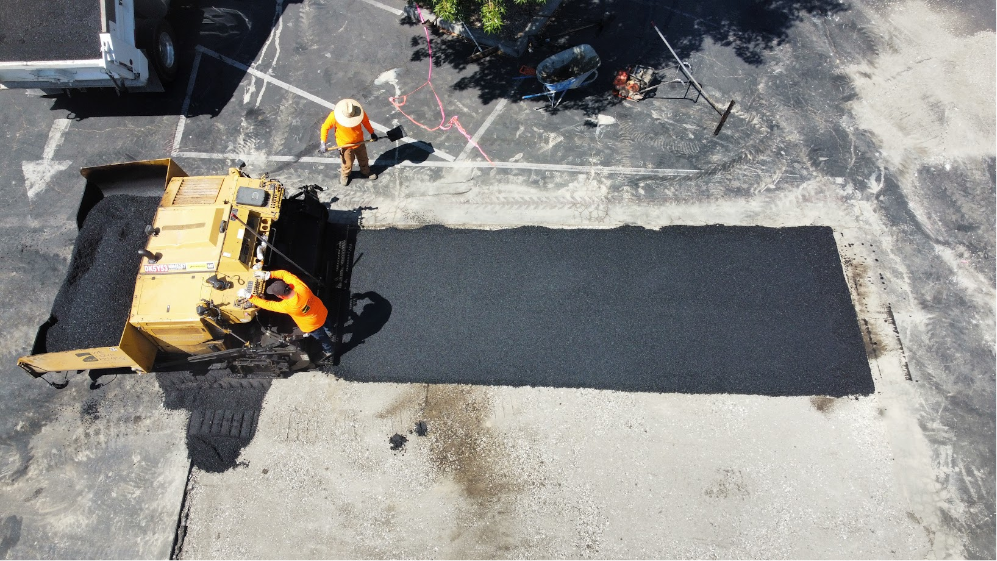
Asphalt repair and pavement maintenance work completed to restore damaged surface areas and help extend the usable life of a high-traffic commercial parking lot.
Show Preventive Maintenance Visually
A short video can make pavement maintenance easier to understand. Use this section to show surface preparation, crack filling, sealcoating, striping refresh, or a before-and-after walkthrough of a maintained parking lot.
How the Pavement Maintenance Process Works
The process is designed to help you protect the pavement before small issues become larger property expenses.
1
Share the pavement concern
Tell us what you see: fading, cracking, worn striping, potholes, drainage marks, or general surface wear.
2
We review the condition
We look at surface age, cracking, traffic use, drainage, markings, repairs needed, and maintenance timing.
3
You receive a maintenance path
The recommendation may include sealcoating, crack filling, repairs, striping, resurfacing planning, or phased maintenance.
4
The work is scheduled
The project is planned around property access, parking needs, tenants, residents, traffic flow, and curing time.
Pavement Maintenance for Palo Alto Property Types
This service is commonly used for commercial parking lots, office properties, HOAs, multifamily communities, retail centers, private roads, residential driveways, and managed facilities where surface condition, safety, and appearance matter.
The smartest maintenance plan is usually the one that starts before pavement failure becomes obvious.